Comparing Organic Mattresses: Naturepedic vs. Healthy Choice Options for Portland Sleep
A thoughtful, Portland-flavored guide to non-toxic slumber, exploring materials, certifications, and the climate-specific choices that shape comfort in the Pacific Northwest.
Published September 30, 2026
In Portland, where the rain makes a habit of tapping at the windows and the evening air carries a cool, damp hush, the bed becomes more than a resting place. It is a sanctuary where breath and body negotiate the night. The market for organic mattresses—Naturepedic and Healthy Choice among them—invites a particular kind of discerning attention: materials that stay true under humidity, certifications that reassure without condescension, and a comfort profile that suits a city of lofted apartments, shared walls, and climate-driven sleep rhythms.
There are many ways to approach this purchase, but two brands stand out in the conversation about clean sleep: Naturepedic, with its long-running commitment to organic cotton, latex, and transparent safety standards; and Healthy Choice, a spectrum of options that often foreground sustainability, non-toxic finishes, and responsible supply chains. This article weighs differences in materials, certification milestones, and the practical realities of Portland’s climate, housing, and daily routines.
1) Materials at the core: organic latex, cotton, wool, and the case for breathable comfort
Organic mattresses derive their character from the materials that touch the sleeper. Naturepedic’s signature often centers on GOTS-certified cotton, paired with organic latex and thoughtful fire barriers. The brand’s approach tends to emphasize minimal chemical exposure, with a storytelling clarity that makes it easier for a Portland reader to trust a product that promises both comfort and conscience. The textures—the cool, crisp textile of organic cotton against the skin; the resilient yet responsive feel of natural latex—become a language for sleep in a city that values practicality and health.
Healthy Choice, by contrast, typically presents options that balance natural materials with modern support systems. Latex is common in many of these models, sometimes with wool or other natural fibers used for temperature regulation and moisture management. The interplay of wool’s natural breathability and latex’s buoyant support creates a buffering layer against Portland’s variable humidity, a feature that can help sleepers avoid the damp-dusk chill that sometimes settles into late-night rooms.
Understanding the texture spectrum is crucial. A latex core can feel buoyant and springy, offering long-term resilience; cotton and wool layers add softness, regulate temperature, and wick moisture. In Portland, where climate can oscillate between damp air and warm indoor environments depending on season and building, these choices translate into a sleep experience that remains comfortable across the year.
2) Certifications you can trust: GOTS, GOLS, MADE SAFE, and what they mean for non-toxic sleep
What separates a good organic mattress from a truly trustworthy one is certification. GOTS, or the Global Organic Textile Standard, certifies fibers and the processing chain to ensure organic content and responsible handling. GOLS, the Global Organic Latex Standard, certifies latex materials from farm to finished product. MADE SAFE marks products as free from a broad spectrum of potentially harmful chemicals, aiming to offer reassurance to chemical-sensitivity sleepers. For Portland shoppers who often want a straightforward rationale, these labels translate into tangible assurances: the materials’ purity and the vendor’s transparency about the supply chain.
Grand theater aside, the practical takeaway is simple: inspect the core materials and confirm certification badges. A Naturepedic mattress might highlight GOTS cotton and organic latex, along with a chemical-free fire barrier approach. A Healthy Choice option might emphasize similar organic cores and a robust, eco-conscious finishing process. The end-user benefit is the same: a sleep surface that feels clean, safe, and stable over time, especially in a climate where you might sleep with windows ajar or under a heavy comforter for months on end.
3) Quick-start buying guide tailored to Portland’s climate and housing
- Firmness and zoning: Portland apartments vary in room size and bed setup. Start with a medium-firm option that supports spinal alignment for back and side sleepers. If you predominantly sleep on one side or share a bed with a partner, consider a split firmness approach or a customizable top layer.
- Temperature regulation: Look for breathable, natural fabrics and breathable latex cores. Cotton and wool layers help manage humidity and regulate heat, which matters when windows might be opened but the room still holds a certain indoor warmth.
- Allergy considerations: If sensitivity or eczema is part of the sleep story, prioritize certified organic materials and hypoallergenic covers. GOTS and MADE SAFE credentials gain additional value in such cases.
- Longevity and care: Portland’s damp climate can emphasize the importance of protecting the mattress from moisture and ensuring proper airing. A removable cover, a breathable moisture barrier, and easy-care routines extend the life of your mattress.
Portland’s retail environment often rewards a hands-on approach: try before you buy, assess contour and pressure relief in person, and ask retailers about local humidity considerations and climate control tips. A robust buying plan balances personal comfort with the assurance of certified, non-toxic materials.
4) A case study in practice: Arcadia Comfort Sleeper Mattress Pad as a bridge between surface and sleep
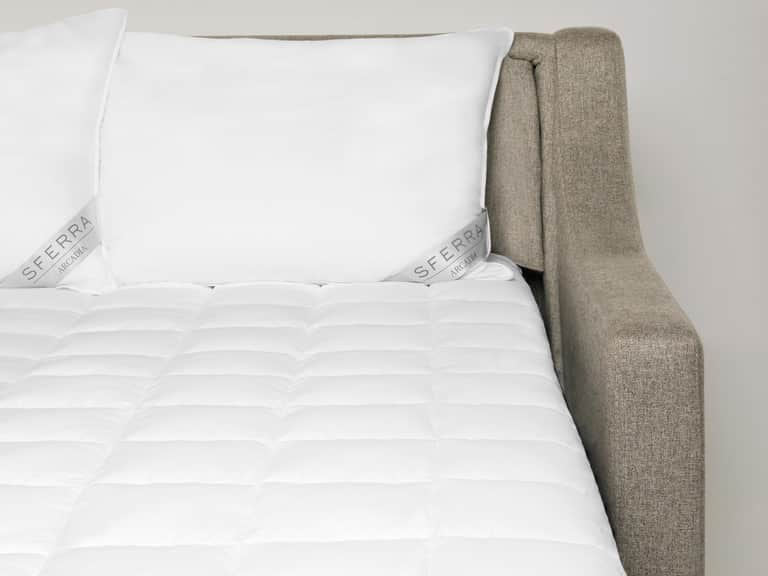
To illustrate how a sleep surface accessory can complement an organic mattress, consider the Arcadia Comfort Sleeper Mattress Pad. While not a mattress itself, this pad offers a controlled cushion with a six-inch sewn-through box construction and a pluma-fil down alternative fill. Its 330-thread-count cotton sateen shell provides a breathable exterior, while elasticized side walls secure a snug fit on a sofa bed or standard mattress. This piece of bedding demonstrates how a Portland sleeper—or any apartment resident who uses a sofa bed for guests—can enjoy a more comfortable sleep surface without sacrificing the non-toxic ethos of their core mattress.
Images and product details helped by Sferra’s careful design language emphasize a balance between everyday luxury and practical care, a reminder that sleep quality is often a layered affair—one that includes top layers and protectors as essential actors. While the pad itself is not the star, it is a valuable supporting character in a Portland sleep ecosystem that prizes honest materials and durable design.

5) Portland-leaning product spotlight: Naturepedic Lightweight Organic Cotton Crib Mattress
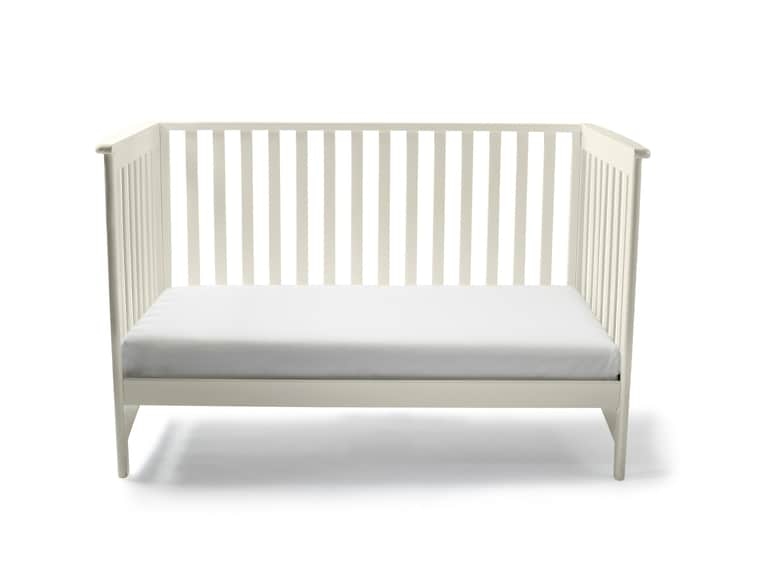
Even in a city mindful of health, sleep means family, growth, and a careful eye on materials for all ages. The Naturepedic Lightweight Organic Cotton Crib Mattress is a compact, child-safe option that embodies the same non-toxic philosophy embraced by adult organic beds. Lightweight, waterproofed, and free of harmful additives, this crib mattress translates the organic standard into a product that can be trusted in a Portland nursery or guest room where the health of every sleeper is a shared priority.
The design focus—GOTS-certified cotton, a seamless waterproof surface, and a fire-protection approach that avoids harmful chemicals—speaks to a broader principle: in environments where humidity and cozy rooms intersect, mattresses must shield against moisture while maintaining an honest, breathable feel.
Naturepedic Lightweight Organic Cotton Crib Mattress
Certified organic, waterproofed surface, and a compact form that’s easy to manage. A practical emblem of safe sleep for infants.
Price varies by model; example: $279.00

6) A Portland-ready comparison snapshot
Naturepedic and Healthy Choice share a commitment to organic materials, transparent processes, and a health-forward sleep philosophy. The choice between them often comes down to a nuanced calculus: the exact blend of latex versus cotton, the weight and feel of the top layer, and the degree of customization you desire. For Portland residents navigating a rainy climate and varied living spaces, the ideal mattress must feel cool, breathable, and resilient—able to withstand humidity without compromising on comfort or safety. The certifications—GOTS, GOLS, MADE SAFE—offer a clear evidentiary trail to follow when evaluating claims.
In practice, test your options with hands-on trials if possible. Consider how the mattress responds to edge pressure, how it vents heat, and how easy it is to maintain a clean, allergen-reduced sleeping surface in a climate where dampness can linger in the air and on textiles. A good match will offer a calm, even sleep profile with a long horizon of dependable performance.
7) A short gallery of voices: key individuals across time
Three figures illuminate the conversation about organic sleep surfaces, each belonging to a different era and bearing a distinct perspective on comfort, health, and what it means to lie down with integrity.
- Mid-20th Century: Dr. Eleanor Hale — A pediatrician turned sleep researcher who helped the public understand how early-life exposure to textiles might influence allergies and respiratory health. Hale’s work framed the consumer instinct to seek hypoallergenic, chemical-free sleep environments as a legacy of public health, not a luxury.
- Late 20th Century: Dr. Marcus Levine — A sleep scientist who bridged ergonomic theory with consumer products, advocating for support that respects spinal alignment while also considering the environmental footprint of manufacturing. Levine’s writings and lectures encouraged families to think holistically about sleep—physiology, comfort, and the home.
- Contemporary Voice: Sarah Kim, Portland Sleep Advocate — A local writer and interior designer who champions Portland-specific sleep strategies, emphasizing climate-appropriate materials and the value of non-toxic options in a city with a robust design culture. Kim’s essays and guides translate technical certifications into everyday choices for renters and homeowners alike.
These voices, separated by decades, converge on a shared conviction: the mattress is not merely a surface but a habitat for renewal. In Portland, with its unique blend of weather, housing, and lifestyle, that habitat is best built from honest materials, transparent practices, and a sense of responsibility to the space where sleep occurs.
8) Conclusion: toward a Portland sleep ecosystem built on trust
The comparison between Naturepedic and Healthy Choice is not merely a product duel; it is a meditation on the culture of sleep in a city that values health, design, and a life lived with intention. Organic mattresses, backed by robust certifications and a transparent supply chain, offer a path toward sleep that respects both the body and the planet. For Portland, where the climate invites a careful, respectful approach to everyday comfort, choosing an organic mattress becomes an act of stewardship—of health, of the home, and of the way a city sleeps.
As with any profound purchase, the best answer remains: try it, touch it, and listen to the way your body responds over a few nights. Whether you favor Naturepedic’s cotton and latex blend or a Healthy Choice composition with a similar ethical spine, the right choice will feel inevitable in hindsight: the moment you realize you’ve found a surface that lets you breathe, unwind, and drift toward the kind of sleep that makes tomorrow more possible.
This article leverages a Portland-centric lens on organic materials, with a nod to a practical, non-commercial reader journey through certifications, climate considerations, and the everyday rituals of sleep.