Portland Sleep Guide
Mattress Protectors: Balancing Breathability, Fit, and Everyday Care
A mattress protector is a quiet piece of bedding with an unusually consequential job. It stands between the mattress and the ordinary mishaps of a night: a glass of water tipped at bedtime, perspiration, dust, pet hair, or the gradual wear that comes from years of use. But the best protector is not simply the one that blocks the most. Its fabric, barrier, fit, and care requirements all shape how the bed feels.
A small layer with a practical purpose
A mattress is a substantial household purchase, but it is also a surface used for roughly a third of each day. Sheets are changed, pillows are fluffed, and the room is aired; the mattress itself is harder to clean. A protector offers a removable layer that can be laundered more easily than the sleep surface beneath it. Depending on its construction, it may help guard against liquid spills, dust, skin oils, and routine friction.
That protection is useful, but it is not absolute. A fabric cover can reduce everyday exposure without making a mattress indestructible or permanently stain-proof. Nor does a protector replace regular cleaning of sheets, attention to spills, or appropriate mattress care. The sensible aim is more modest: to make the bed easier to maintain and to help preserve the mattress in the condition intended by its maker.
In Portland, where damp weather and indoor heating can make bedroom comfort feel different from one season to the next, a protector deserves consideration as part of the sleep system rather than as an afterthought. The right choice depends on the sleeper, the mattress, and the kind of protection actually needed.
Breathability is about the whole construction
“Breathable” appears often on bedding labels, but it does not describe one material or guarantee one particular sensation. A protector may have a cotton, polyester, or blended fabric surface, backed by a thin moisture barrier or made without one. The feel at the bed is the combined result: the face fabric, quilting, backing, seams, and the way the protector sits beneath the fitted sheet.
Natural fibers such as cotton are often chosen for their familiar hand and ability to absorb some moisture. A quilted cotton protector can add a little softness, though the amount depends on the fill and stitching. Polyester and microfiber constructions may dry quickly and can feel smooth, but their texture and warmth vary. Labels that name a fiber without describing the barrier or construction tell only part of the story.
Waterproof protectors typically use a thin layer intended to prevent liquid from reaching the mattress. That layer can be unobtrusive, but it may change airflow or the way the surface feels. Some people notice a warmer sensation; others scarcely notice it under sheets. The difference can be influenced by body temperature, room conditions, bedding layers, and the mattress itself. A waterproof barrier is not automatically uncomfortable, just as a fabric described as breathable is not guaranteed to feel cool to every sleeper.
Noise is another small but revealing detail. Older or stiffer waterproof covers may crinkle when a sleeper turns. Newer or more flexible constructions can be quieter, though product descriptions are not a substitute for experience. If possible, check return terms and care instructions before buying, and consider whether the protector will be used beneath a thin sheet or several layers of bedding.
For sleepers who tend to feel warm, a soft, relatively lightweight protector without a heavy quilted surface may be a reasonable starting point. Someone managing frequent spills, a child’s bed, or a mattress that cannot be cleaned may give more weight to a reliable moisture barrier. The trade-off is not a contest between comfort and protection; it is a matter of deciding which qualities should lead.
Waterproof, water-resistant, or simply washable?
These terms are not interchangeable. A waterproof mattress cover is designed to prevent liquid from passing through its barrier when used as directed. A water-resistant surface may repel limited moisture but is not necessarily intended to withstand a larger spill. A washable protector without a barrier can still help with dust, skin oils, and day-to-day wear, yet it may allow liquid to reach the mattress.
Before choosing, ask what the actual risk is. For a guest room or a bed occupied by a careful adult, a breathable, washable layer may be enough. For a young child, someone who experiences nighttime perspiration, or a household where pets share the bed, a more substantial moisture barrier can offer practical reassurance. If spills are likely, the product’s construction and full coverage matter more than a vague promise of protection.
It is worth reading the care label before purchase, especially for waterproof designs. Some protectors tolerate ordinary machine washing but require low heat or air drying. High temperatures can damage certain barrier materials or elastic components. A protector that is difficult to wash, slow to dry, or too bulky for the household’s laundry setup may be less useful in practice than a simpler one that can be cleaned routinely.
For a child’s bed, a washable waterproof mattress pad can be a convenient choice, but safe sleep guidance and the mattress manufacturer’s instructions remain important. A protector should fit securely and lie flat, without loose fabric or an unsuitable add-on layer. On a crib mattress in particular, confirm that the product is specifically designed for the mattress dimensions and intended use.
Fit begins with mattress depth
A protector that fits poorly can compromise both comfort and function. Too small, and it may tug at the corners or pull free when the sleeper moves. Too large, and excess fabric can bunch beneath the sheet. With waterproof products, a shifted or strained protector may also leave areas less reliably covered.
Measure the mattress depth from its bottom edge to the highest point of its sleeping surface. Include a mattress topper if it will remain on the bed beneath the protector. Then compare that measurement with the protector’s stated pocket depth or compatible mattress range. Mattress dimensions can vary slightly, and pillow-top designs, sewn-in cushioning, or thick toppers add height that a standard-depth protector may not accommodate.
Elastic construction matters, too. A fitted-sheet style protector wraps around the mattress and generally offers a straightforward installation. Some designs cover only the top and sides; others enclose the mattress more fully. A full encasement may be useful in specific situations, but it can take longer to put on and may change how easily the mattress can be rotated or serviced. Choose the coverage that suits the need rather than assuming more fabric is always better.
After fitting the protector, smooth out wrinkles before putting on the sheet. Check that the corners remain secure and that the layer does not interfere with adjustable-bed movement or the mattress’s own cover. If the mattress has a removable or non-washable encasement, a separate protector may be especially helpful; follow the manufacturer’s directions for cleaning and handling the mattress itself.
A useful comparison checklist
Product pages can make protectors seem more alike than they are. Comparing a few concrete details helps turn marketing language into a practical decision:
- Coverage: Is it designed to protect the top only, the sides as well, or the entire mattress?
- Barrier: Is it waterproof, water-resistant, or a washable fabric layer without a liquid barrier?
- Surface: What fibers and quilting materials touch the fitted sheet?
- Fit: What mattress depth does it accommodate, including any topper?
- Care: What wash temperature, drying method, and cleaning limits apply?
- Feel: Is the construction likely to add noticeable padding, warmth, or sound?
- Compatibility: Does the maker permit use with the mattress, bed frame, or adjustable base?
These questions are more revealing than a single claim about softness or cooling. A protector does not need to be elaborate to do its job. It needs to match the household’s risks, sit securely on the mattress, and be manageable to clean.
Care that protects the protector
Regular care helps keep the sleep surface fresh, but more frequent washing is not always better. Follow the instructions supplied with the protector: laundering conditions differ, particularly when a waterproof backing is involved. Use the recommended cycle and detergent, avoid products the manufacturer advises against, and do not assume that high heat will improve sanitation. Heat can shorten the life of elastic and some barrier materials.
When a spill occurs, remove the bedding and address the protector promptly. Blot rather than rub, then wash it according to its label. If liquid has passed through, consult the mattress maker’s instructions for cleaning the surface below. Avoid soaking a mattress or applying cleaners indiscriminately; excess moisture can be difficult to remove and may cause damage. Let the area dry completely before remaking the bed.
It is also sensible to inspect the protector from time to time. Look for torn seams, thinning fabric, loose elastic, or a barrier that has begun to crack or peel. A protector may remain tidy-looking while its performance declines, so its age and laundering history matter. Replace it when it no longer fits securely or provides the level of protection required.
For households with a damp bedroom, good general ventilation and keeping bedding dry are useful complements to a protector. A waterproof layer can stop a spill; it does not make the mattress immune to persistent moisture trapped under bedding. In a rainy climate, airing the room when conditions allow and avoiding the storage of a damp protector on the bed can be simple, worthwhile habits.
The mattress and its cover have their own rules
A protector should not be confused with the mattress’s original cover. Some mattresses have covers that are removable but not washable; others explicitly prohibit removal. The warranty may also specify the kind of foundation, care, or protection expected. Read those instructions before adding layers or attempting to clean the mattress itself.
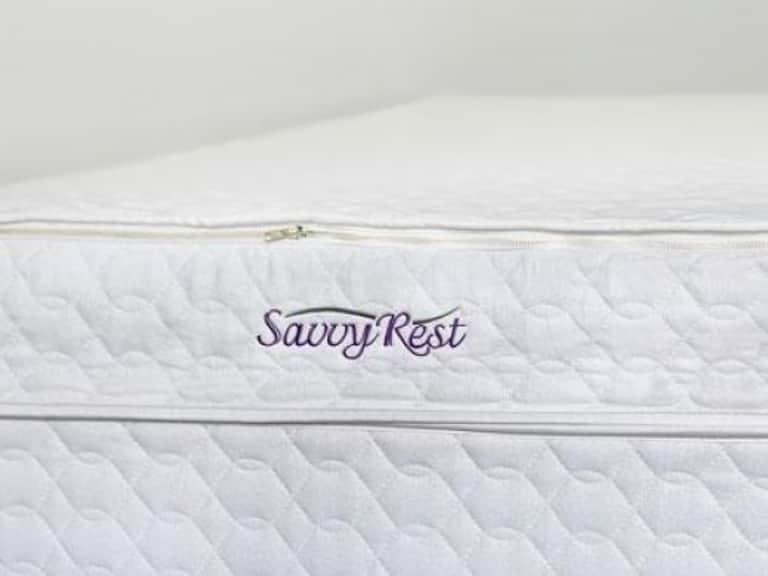
As one example, the [Savvy Rest Tranquility Latex Mattress](/products/savvy-rest-tranquility-latex-mattress-606) has a zippered organic-cotton outer casing that is described as not washable or dry-cleanable, and its care guidance strongly encourages use of a mattress protector. That is a useful distinction: a removable cover is not necessarily a washable cover. In such cases, the protector serves as the practical, launderable layer, while the mattress casing is left intact and cared for as directed.
When a mattress includes a built-in waterproof or washable surface, an additional protector may still be useful, but it can change the feel or warmth of the bed. Check the manufacturer’s recommendations and consider whether an extra barrier adds meaningful protection. A thinner, breathable layer may be preferable when the mattress already has a waterproof side or finish.
A Portland perspective on comfort
Portland’s seasons make bedroom comfort a moving target. Damp, cool months invite heavier blankets and closed windows; warmer spells can make a layered bed feel close. A protector is only one part of that equation, but it is the layer directly beneath the sheet, so its weight and texture are worth noticing. If a bed feels warmer after adding one, try adjusting blankets and room ventilation before concluding that the mattress itself has changed.
Renters may also value a protector because it makes a mattress easier to maintain through a move or a change of household. Homeowners may be more focused on preserving a long-term investment. In either case, the best choice is not dictated by a regional climate stereotype. A warm sleeper in a well-insulated apartment may prioritize airflow; a household with young children may put spill protection first.
For local shoppers, the simplest approach is to bring the mattress measurements, note whether a topper is in use, and identify the main concern before comparing materials. Those details make it easier to assess whether a product is likely to fit and whether its barrier, fabric, and washing requirements suit everyday life.
Finding the right balance
A mattress protector is not a cure for poor sleep, nor does it need to turn a bed into a sealed surface. Its value is quieter: it can make routine care easier and help reduce the consequences of the small accidents that occur in bedrooms. But a protector that rustles, bunches, traps too much warmth, or demands impractical laundering can become an irritation of its own.
Start with the actual need. Choose a breathable washable cover when comfort and uncomplicated upkeep matter most; consider a waterproof barrier when liquid protection is a priority. Verify the depth and fit, then read the care instructions with the same attention given to the materials. Once installed, make the bed and notice how it feels over several nights. If the layer changes temperature or texture more than expected, that is useful information—not a reason to ignore comfort in favor of a label.
The right protector is the one that quietly disappears into the bed while remaining ready to do its unglamorous work. In a room shaped by Portland rain, summer heat, shared housing, pets, children, or simply the everyday life of sleeping, that small balance between airflow, coverage, fit, and care is what makes the difference.